Upgrade measures

The measures that move a commercial EPC

A non-domestic EPC is an asset rating of the building and its services, not of your metered use, so what moves it is changing what is installed. This is the index of what can be changed. For the order to do them in, and why, read how to improve a rating.

Which measure moves a rating most
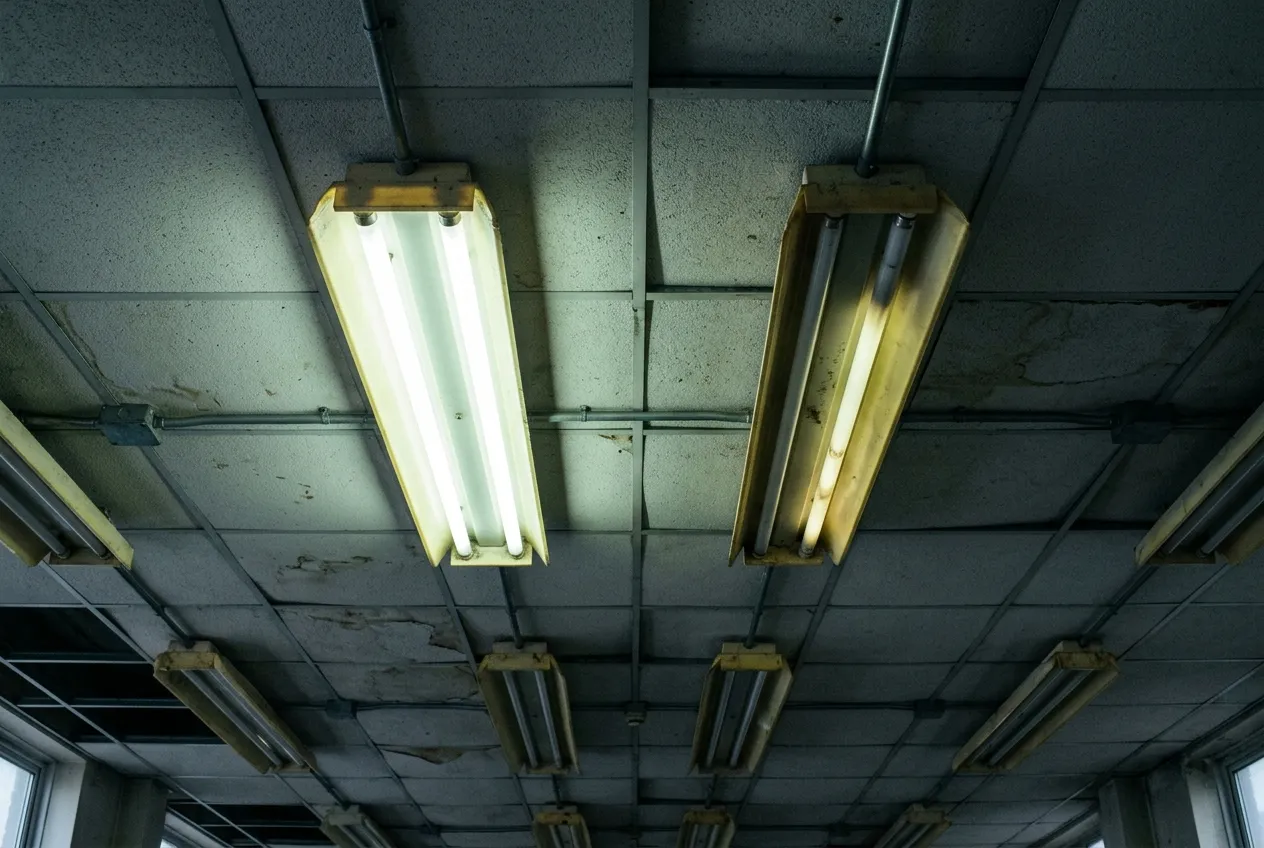
Dated twin fluorescent batten fittings on the ceiling of an older commercial building.
Illustrative image generated with AI. Not a photograph of a building we have worked on.

One page each, and what only that page says

Each measure below gets its own page because it changes something the others do not. The line under each is the thing that page covers and no other page does.

11 entries

Lighting Usually the cheapest route to a better rating, and the one most buildings start with. Lighting is a fixed service the assessment reads directly, which is why replacing it moves a certificate while switching it off at night does not. Lighting controls Cheaper than fixtures, frequently worth more on the certificate. The assessment credits what a fitting is capable of drawing, so a dimming or sensing fitting is modelled differently from an identical fitting on a single switch at the door. Heating and hot water The biggest lever, the biggest bill, and rarely the first move. Heating is simultaneously the largest lever on a rating and the worst first move, and some heating measures sit near lighting in cost rather than at plant-replacement cost. Commercial solar Moves the rating and the bill, on a longer horizon and a bigger cheque. Cutting the lighting load first can mean a physically smaller and cheaper array for the same rating outcome, so the order of solar and lighting changes the capital cost. Insulation and fabric Scores well, pays back slowly, and then works for forty years with nobody touching it. Fabric is the only measure that keeps delivering with no plant to maintain, no controls to misconfigure and nobody to operate it, which is why it scores well and pays back slowly. Glazing and windows The weakest part of the fabric, and the reason you can dim the lighting at all. Glazing is simultaneously the fabric element losing most heat and the source of the daylight another measure depends on, so improving it can reduce the value of the lighting controls you just installed. Air conditioning and ventilation Ventilation has to happen, so the measure is recovering the heat rather than using less air. Ventilation volume is set by what the occupants need rather than by what the energy budget would prefer, so the measure is recovering heat from air you are obliged to move, not moving less of it. Building management systems The one measure that can quietly undo every other measure in the building. A badly configured or unmaintained BMS reverses savings that other measures have already delivered, which makes it the only item on this list capable of producing a negative return on work already done. Heat pumps Changes the fuel as well as the efficiency, which is why the rating effect is not obvious. A heat pump changes which fuel the assessment is modelling as well as how efficiently it is used, so the rating outcome turns on the carbon factors applied to electricity against gas rather than on the equipment alone. Metering and monitoring Saves nothing on its own. Tells you where everything else should go. This is the only measure on the site that changes no energy use whatsoever by itself; it is bought purely to find out where the other measures should go and whether they worked. EV charging Adds load rather than removing it, and competes for the capacity everything else needs. EV charging increases the building’s consumption rather than reducing it, and consumes the spare electrical capacity that heat pumps and electrification would otherwise use.

Next step

Find out what your building actually needs

Tell us the building type, the floor area and the rating you are on now. One commercial contractor comes back to you with a quote. No panel, no cold calls.

Or call 07367 293494. Monday to Friday, 9am to 5.30pm.

A+ A B REQUIRED C D THIS BUILDING E F G
Call Get a quote